Filter Integrity Testing: Complete Guide for Pharmaceutical Manufacturing
Sterile pharmaceutical manufacturing demands the highest standards of quality, safety, and regulatory compliance. Every injectable drug, vaccine, biologic, ophthalmic solution, and sterile medical product must remain free from microbial contamination throughout its manufacturing process and shelf life. One of the most critical components in achieving this objective is sterile filtration.
Sterilizing-grade membrane filters are widely used to remove microorganisms from pharmaceutical liquids before filling and packaging. However, the effectiveness of these filters depends entirely on their integrity. Even microscopic damage to a filter membrane can allow microorganisms to pass through, compromising product sterility and potentially putting patient safety at risk.
This is why Filter Integrity Testing is an essential quality assurance process in pharmaceutical manufacturing. It verifies that sterilizing filters remain intact before and after use, ensuring they continue to perform according to validated specifications.
In this comprehensive guide, we'll explain Filter Integrity Testing, why it is required, the different testing methods—including the Bubble Point Test, Diffusion Test, and Pressure Hold Test—along with regulatory requirements, industry best practices, and guidance for implementing a reliable filter integrity testing program.
What is Filter Integrity Testing?
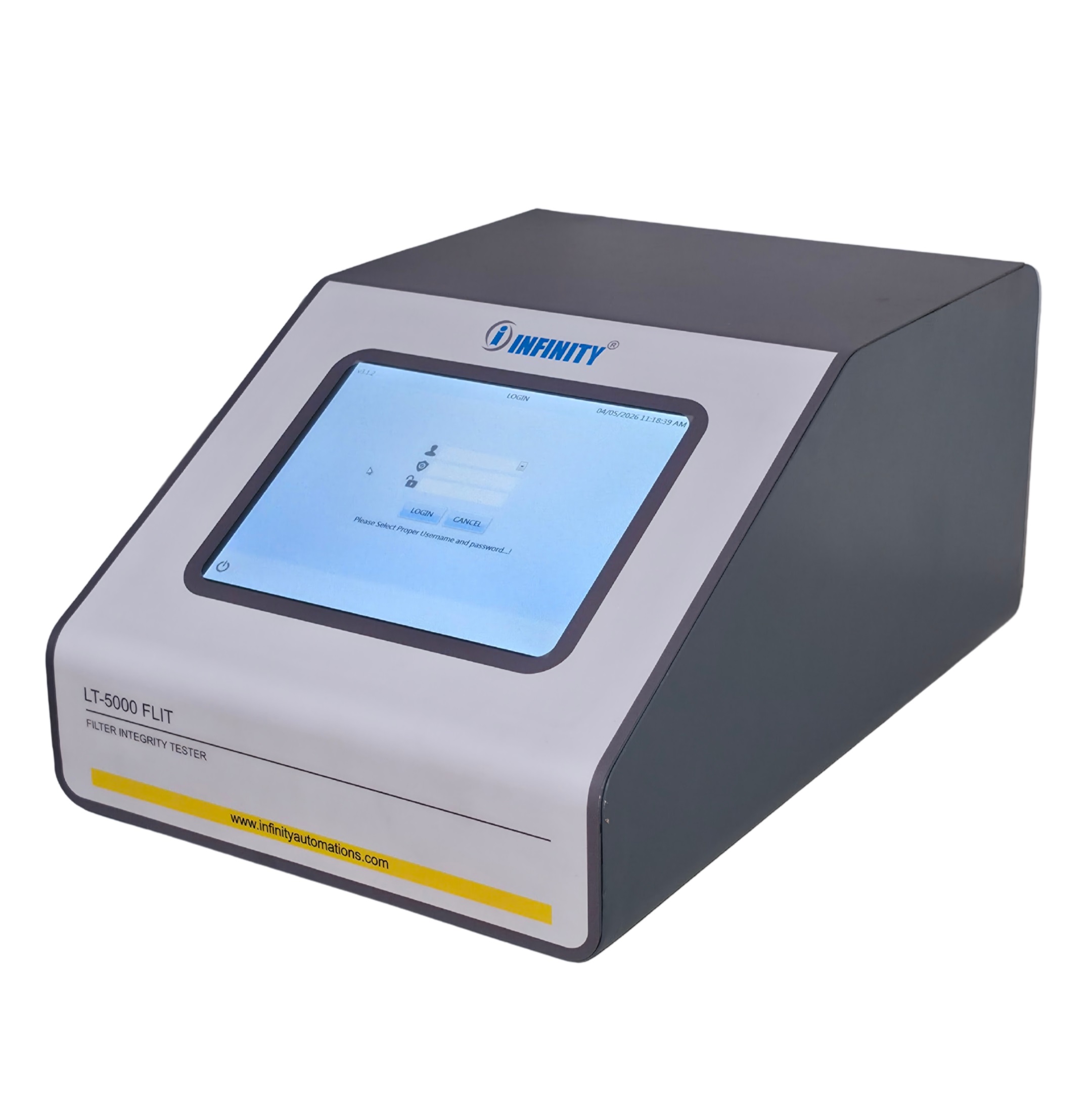
Filter Integrity Testing is a non-destructive verification process used to confirm that a sterilizing-grade membrane filter is functioning correctly and has not been damaged during manufacturing, installation, sterilization, or operation.
Rather than directly testing for microorganisms, integrity testing evaluates the physical condition of the membrane by measuring characteristics such as pressure, airflow, or gas diffusion through a wetted filter.
A successful Sterile Filter Integrity Test demonstrates that the membrane remains intact and capable of retaining microorganisms according to its validated retention rating.
Why Filter Integrity Testing is Required
Sterile filtration is often the final microbial control step before aseptic filling. If a sterilizing filter becomes damaged, contaminated product may pass through the filtration system undetected.
Routine filter integrity testing helps manufacturers:
- Verify membrane integrity
- Confirm microbial retention capability
- Protect patient safety
- Prevent contamination
- Reduce batch rejection
- Maintain process validation
- Comply with pharmaceutical regulations
- Improve manufacturing confidence
For these reasons, integrity testing is considered an essential element of sterile manufacturing quality systems.
Where Filter Integrity Testing is Performed
Filter integrity tests are commonly conducted:
Before Filtration
Pre-use testing verifies that the installed filter has not been damaged before production begins.
After Sterilization
Some facilities perform testing after steam sterilization to confirm membrane integrity.
After Product Filtration
Post-use testing demonstrates that the filter maintained its integrity throughout the manufacturing process.
During Validation Studies
Integrity testing forms an important part of filter validation and qualification programs.
Types of Sterile Filters
Pharmaceutical manufacturing uses several membrane filter types depending on the application.
Common filters include:
- Sterilizing-grade membrane filters
- Hydrophilic membrane filters
- Hydrophobic membrane filters
- Capsule filters
- Cartridge filters
- Disc filters
- Vent filters
Typical membrane materials include PVDF, PES, PTFE, Nylon, Cellulose acetate, and Mixed cellulose ester. Each filter type requires integrity testing according to manufacturer recommendations.
Principles of Filter Integrity Testing
Integrity testing is based on the physical properties of wetted membrane filters.
The testing process generally involves:
- Wetting the membrane using a compatible liquid.
- Applying compressed gas pressure.
- Measuring gas flow or pressure behavior.
- Comparing measured values with validated acceptance criteria.
- Determining pass or fail status.
The three most common methods are the Bubble Point Test, Diffusion Test, and Pressure Hold Test.
Bubble Point Test
What is a Bubble Point Test?
The Bubble Point Test is one of the most widely recognized Filter Integrity Testing methods. It determines the pressure required to force gas through the largest wetted pores of the membrane. As gas pressure increases, liquid is displaced from the pores. When the first continuous stream of bubbles appears, the measured pressure is known as the bubble point.
Working Principle
- Wet the membrane completely.
- Apply compressed gas gradually.
- Increase pressure slowly.
- Observe continuous bubble formation.
- Compare measured pressure with validated specifications.
Advantages
- Highly reliable
- Easy to validate
- Widely accepted
- Non-destructive
- Suitable for sterilizing-grade filters
Limitations
- Requires complete membrane wetting
- Sensitive to test conditions
- Larger filters may require automated equipment
Applications
- Sterile liquid filtration
- Injectable drug manufacturing
- Vaccine production
- Biopharmaceutical processing
Diffusion Test
What is a Diffusion Test?
The Diffusion Test measures the amount of gas that diffuses through a wetted membrane under pressure below the bubble point. Because the membrane pores remain filled with liquid, only dissolved gas diffuses through the membrane. The measured gas flow is compared with predefined acceptance limits.
Working Principle
- Wet the membrane.
- Pressurize below bubble point pressure.
- Measure gas diffusion.
- Compare results with specifications.
Advantages
- Highly sensitive
- Fully automated
- Excellent repeatability
- Ideal for production environments
- Non-destructive
Applications
- Sterile filtration
- Pharmaceutical production
- Biotech manufacturing
- Quality assurance laboratories
Pressure Hold Test
What is a Pressure Hold Test?
The Pressure Hold Test is another widely used Pharmaceutical Filter Testing method. Instead of directly measuring gas flow, the system monitors pressure decay within a sealed volume over time. If excessive pressure loss occurs, it may indicate membrane damage or leakage.
Working Principle
- Wet the membrane.
- Pressurize the system.
- Isolate the pressure source.
- Monitor pressure decay.
- Compare results with acceptance criteria.
Advantages
- Simple operation
- Easy automation
- Good repeatability
- Suitable for production use
Applications
- Cartridge filters
- Capsule filters
- Sterile manufacturing systems
Comparison of Filter Integrity Testing Methods
| Test Method | Principle | Non-Destructive | Typical Application |
|---|---|---|---|
| Bubble Point Test | Gas displaces liquid from membrane pores | Yes | Sterilizing-grade filters |
| Diffusion Test | Measures gas diffusion through wetted membrane | Yes | Pharmaceutical production |
| Pressure Hold Test | Measures pressure loss over time | Yes | Production systems |
Choosing the Right Filter Integrity Test
Selecting the appropriate integrity test depends on several factors.
- Filter Type: Different membrane materials require different validation parameters.
- Production Environment: Automated production lines often benefit from diffusion or pressure hold testing due to faster operation.
- Regulatory Requirements: Testing methods should comply with validated procedures and manufacturer recommendations.
- Filter Size: Larger cartridge filters may require automated testing systems.
- Product Characteristics: Viscosity, formulation, and filtration process may influence test selection.
Regulatory Compliance
Regulatory authorities expect pharmaceutical manufacturers to demonstrate that sterilizing filters maintain their integrity throughout manufacturing.
- FDA Expectations: The U.S. Food and Drug Administration expects manufacturers to validate sterilizing filters and perform integrity testing before or after use according to validated procedures.
- EU GMP Annex 1: Recommends integrity testing of sterilizing filters before use whenever possible and always after use unless scientifically justified otherwise. The guideline emphasizes maintaining sterile barrier integrity throughout aseptic processing.
- USP Guidance: United States Pharmacopeia (USP) chapters relating to sterile manufacturing and pharmaceutical filtration emphasize validated integrity testing as part of contamination control strategies.
- ISO Standards: Many pharmaceutical facilities also follow relevant ISO quality management standards supporting process validation and equipment qualification.
Best Practices for Filter Integrity Testing
Implementing best practices improves reliability and compliance.
- Follow Manufacturer Recommendations: Each filter has validated integrity limits provided by the manufacturer.
- Ensure Complete Wetting: Incomplete membrane wetting is one of the most common causes of inaccurate results.
- Use Calibrated Equipment: Regular calibration ensures reliable pressure and flow measurements.
- Validate Testing Procedures: All testing methods should be qualified and documented.
- Train Personnel: Operators should understand filter installation, wetting procedures, test execution, acceptance criteria, and documentation requirements.
- Maintain Records: Document filter identification, batch number, test results, operator, date and time, and equipment ID. Electronic records improve traceability and simplify regulatory inspections.
Common Testing Errors
Even validated systems can produce incorrect results if procedures are not followed correctly.
- Incomplete Membrane Wetting: Dry membrane areas affect bubble point and diffusion measurements.
- Incorrect Test Pressure: Using pressure outside validated ranges produces unreliable results.
- Damaged Seals: Leaks outside the filter can result in false failures.
- Uncalibrated Equipment: Pressure sensors and flow meters should be calibrated regularly.
- Incorrect Wetting Fluid: Always use the wetting liquid specified by the filter manufacturer.
- Poor Documentation: Incomplete records complicate investigations and regulatory audits.
Industry Applications
Filter integrity testing is essential in many pharmaceutical processes.
- Injectable Drug Manufacturing: Ensures sterile filtration before aseptic filling.
- Vaccine Manufacturing: Verifies filter performance during vaccine production.
- Biopharmaceutical Processing: Protects biologic products from microbial contamination.
- Ophthalmic Products: Maintains sterility of eye drops and ophthalmic solutions.
- Medical Device Manufacturing: Used during sterile fluid processing.
- Laboratory Quality Control: Supports filter validation and routine quality assurance.
Future Trends in Pharmaceutical Filter Testing
Modern pharmaceutical manufacturing is becoming increasingly digital and automated.
- Automated integrity testing systems
- Electronic batch records
- IoT-enabled monitoring
- AI-assisted trend analysis
- Cloud-based quality reporting
- Predictive maintenance
- Automated compliance reporting
- Digital validation documentation
These technologies improve efficiency while supporting regulatory compliance and data integrity.
Need a Reliable Filter Integrity Tester?
Contact Infinity Automation Systems today to discuss your filter integrity testing requirements. Our engineering team will help you select the right solution for your pharmaceutical manufacturing needs.
Contact Infinity Automation Systems →Conclusion
Filter Integrity Testing is a fundamental quality assurance practice in pharmaceutical manufacturing, ensuring that sterilizing-grade membrane filters maintain their ability to prevent microbial contamination throughout the production process. By verifying filter performance before and after use, manufacturers can protect product sterility, maintain regulatory compliance, and safeguard patient safety.
Among the most widely used methods, the Bubble Point Test, Diffusion Test, and Pressure Hold Test each provide reliable, non-destructive ways to evaluate filter integrity. Selecting the most appropriate Sterile Filter Integrity Test depends on factors such as filter type, production environment, validation requirements, and manufacturer recommendations.
With increasing regulatory expectations and the growing adoption of digital manufacturing technologies, modern Pharmaceutical Filter Testing systems now offer automated testing, electronic records, enhanced traceability, and improved process control. Implementing validated testing procedures, following industry best practices, and maintaining comprehensive documentation will help pharmaceutical manufacturers ensure consistent product quality, regulatory compliance, and long-term operational excellence.
Frequently Asked Questions (FAQs)
Filter Integrity Testing is a non-destructive process used to verify whether a sterilizing-grade membrane filter remains intact and capable of retaining microorganisms.
A Sterile Filter Integrity Test confirms that the sterilizing filter has not been damaged and continues to provide effective microbial retention during pharmaceutical manufacturing.
A Bubble Point Test measures the pressure required to force gas through the largest wetted pores of a membrane, helping confirm filter integrity.
A Diffusion Test measures the amount of gas that diffuses through a wetted membrane under pressure below the bubble point and compares the measured gas flow with predefined acceptance limits.
A Pressure Hold Test monitors pressure decay within a sealed system over a specified period to determine whether excessive pressure loss may indicate membrane damage or leakage.
A Diffusion Test measures gas flow through a wetted membrane below the bubble point, while a Pressure Hold Test monitors pressure decay in a sealed system over time.
Filter Integrity Testing may be performed before filtration, after sterilization where applicable, after product filtration, and during filter validation and qualification studies according to validated procedures.
Sterilizing-grade membrane filters, including cartridge filters, capsule filters, disc filters and vent filters, may require integrity testing according to their application and manufacturer recommendations.
Yes. Bubble Point, Diffusion and Pressure Hold Tests are non-destructive methods used to evaluate the physical integrity of wetted membrane filters.
The article discusses FDA expectations, EU GMP Annex 1, USP guidance and relevant pharmaceutical quality systems as important considerations for validated filter integrity testing.