What is an Air Leak Testing Machine? Complete Industrial Guide
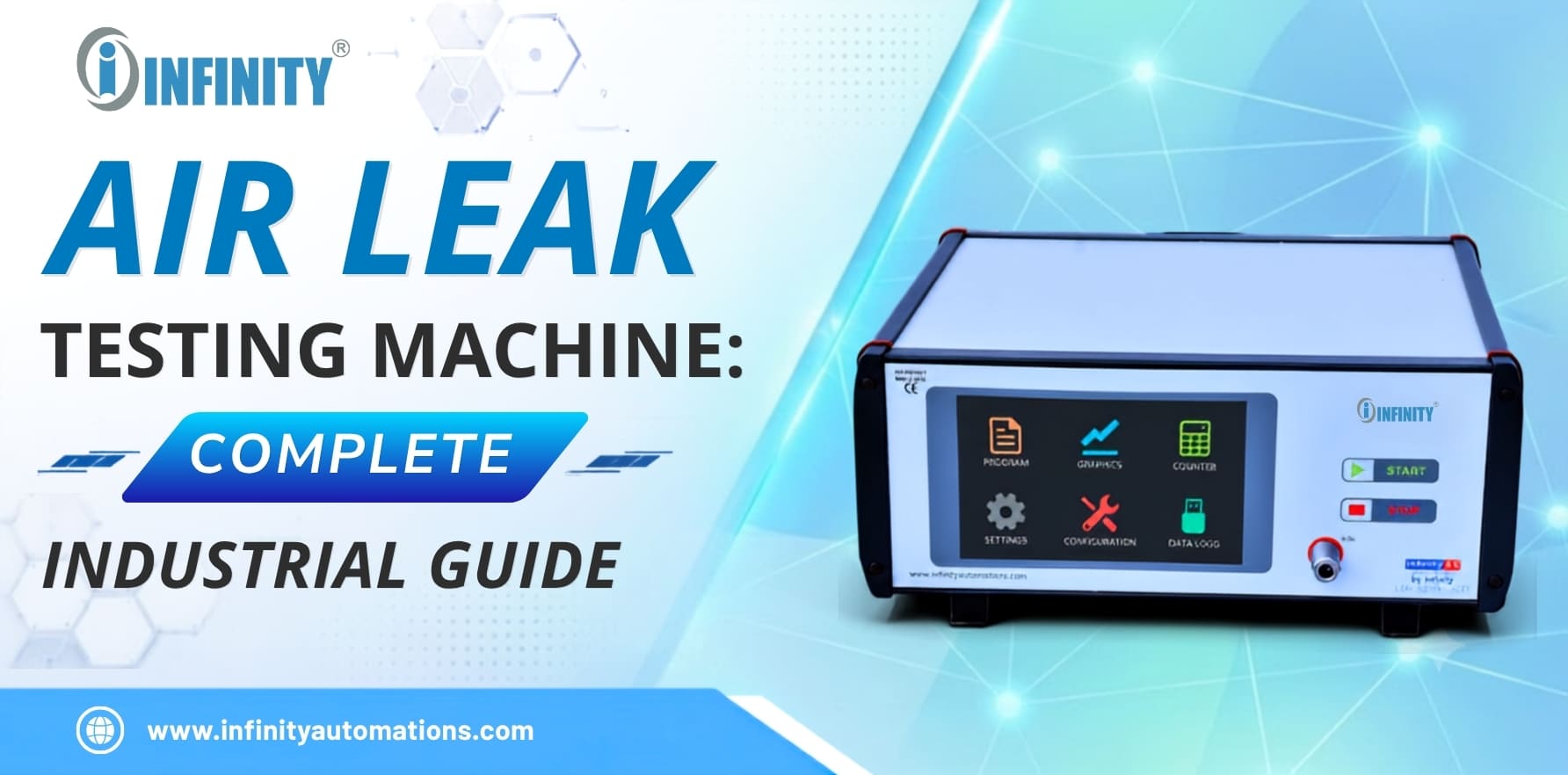
In today's highly competitive manufacturing environment, product quality and reliability are more important than ever. Industries such as automotive, medical, electronics, packaging, HVAC, and consumer appliances demand products that are completely leak-proof to ensure safety, performance, and compliance with international quality standards. Even a minor air leak can result in product failure, increased warranty claims, customer dissatisfaction, and costly recalls.
This is where an Air Leak Testing Machine becomes an essential part of the production process. It helps manufacturers detect even the smallest leaks before products reach the market, ensuring consistent quality and minimizing defects. Whether you're testing plastic components, metal parts, automotive assemblies, medical devices, or industrial products, a reliable Air Leak Tester improves production efficiency and product reliability.
If you're planning to invest in an Industrial Air Leak Testing Machine or an Automatic Air Leak Testing Machine, this comprehensive guide explains everything you need to know—from working principles and machine components to applications, advantages, industries, buying considerations, and future trends.
What is an Air Leak Testing Machine?
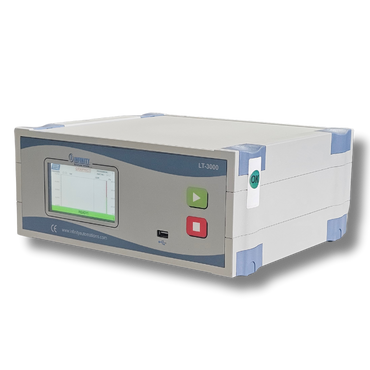
An Air Leak Testing Machine is a quality inspection system used to verify whether a component or assembled product is completely sealed and free from air leakage. The machine introduces compressed air into the test object and monitors pressure changes, airflow, or differential pressure over a specified period. Any deviation beyond the acceptable limit indicates the presence of a leak.
Unlike visual inspection, an Air Leak Detection Machine can identify extremely small leaks that are invisible to the naked eye, making it indispensable for manufacturers that require airtight or pressure-tight products.
These systems are widely integrated into automated production lines to ensure every product meets quality standards before packaging or shipment.
Why Air Leak Testing is Important
Leak testing is not only about detecting defects—it is about ensuring product safety, performance, and customer satisfaction.
Key reasons manufacturers perform leak testing include:
- Prevent product failures in the field
- Ensure airtight or pressure-tight sealing
- Meet customer quality requirements
- Comply with industry standards
- Reduce warranty claims
- Improve production consistency
- Avoid costly recalls
- Protect brand reputation
By incorporating an Air Leak Tester into the manufacturing process, companies can detect defective parts early, reducing scrap and rework costs.
How Does an Air Leak Testing Machine Work?
Although different machines use different testing methods, the basic operating principle remains similar.
Step 1: Component Loading
The product is placed into a custom fixture or testing chamber designed specifically for its geometry.
Step 2: Sealing the Test Part
The machine seals all required openings using dedicated tooling to create a controlled testing environment.
Step 3: Pressurization
Compressed air is introduced into the product at a predefined pressure.
Step 4: Stabilization
The system allows the internal pressure to stabilize before measurement begins, ensuring accurate readings.
Step 5: Leak Measurement
The machine measures pressure decay, airflow, or differential pressure over a specified test time.
Step 6: Result Evaluation
The measured values are compared against predefined acceptance criteria.
- Pass: Leak rate is within acceptable limits.
- Fail: Leak exceeds the allowable threshold.
Step 7: Data Logging (Optional)
Modern Automatic Air Leak Testing Machines can store test data, generate reports, and integrate with Manufacturing Execution Systems (MES) for traceability.
Main Components of an Air Leak Testing Machine
A modern Industrial Air Leak Testing Machine consists of several precision-engineered components.
Provides clean, dry, and regulated compressed air required for accurate testing.
Maintains a stable testing pressure throughout the inspection cycle.
High-resolution sensors detect minute pressure changes and ensure accurate leak measurement.
Custom-designed fixtures securely hold the product and seal all necessary ports.
Control airflow during pressurization, stabilization, testing, and venting.
The programmable logic controller manages the complete testing sequence, timing, pressure settings, and pass/fail logic.
Touchscreen interfaces allow operators to select test programs, adjust parameters, monitor test results, view alarms, and access production statistics.
Typical safety systems include emergency stop buttons, safety doors, pressure relief valves, sensor diagnostics, and interlock mechanisms.
Types of Air Leak Testing Machines
Manufacturers can choose different machine configurations based on production requirements.
Manual Air Leak Testing Machine
Operators manually load, clamp, and unload parts. Suitable for low-volume production, product development, and laboratory testing.
Semi-Automatic Air Leak Testing Machine
Combines manual loading with automated testing cycles. Benefits include improved consistency, reduced operator dependency, and higher productivity.
Automatic Air Leak Testing Machine
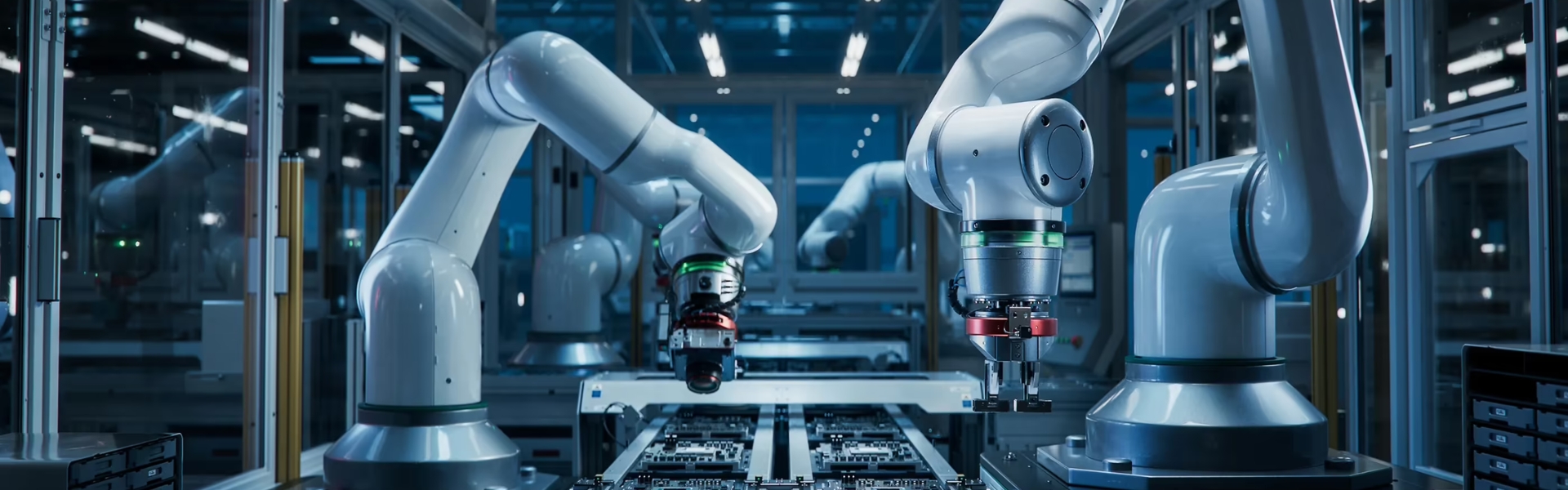
Fully automated systems integrate with robotic production lines and conveyors. Features include PLC automation, servo positioning, barcode scanning, vision inspection, automatic data logging, MES integration, and reject mechanisms. These machines are ideal for high-volume manufacturing environments.
Common Air Leak Testing Methods
Different applications require different leak testing techniques.
Pressure Decay Testing
The most commonly used method. The component is pressurized, and pressure loss is monitored over time. Any significant pressure drop indicates a leak. Advantages include fast, accurate, cost-effective, and suitable for mass production.
Differential Pressure Testing
Compare the pressure of a reference chamber with the test component. This method offers higher sensitivity and is suitable for precision applications.
Flow Testing
Measures airflow passing through a product. Ideal for components where controlled airflow is a functional requirement.
Vacuum Leak Testing
The component is placed under vacuum conditions to detect leaks. Commonly used for sensitive or sealed products.
Applications of Air Leak Testing Machines
An Air Leak Detection Machine is used to verify sealing performance across numerous products.
- Plastic welded components
- Automotive fuel systems
- Battery enclosures
- Cooling systems
- HVAC components
- Medical devices
- Fluid reservoirs
- Plastic tanks
- Valves
- Pipe fittings
- Filters
- Pumps
- Electrical enclosures
- Consumer appliances
Industries Using Air Leak Testing Equipment
Automotive Industry
Leak testing is essential for fuel tanks, radiators, coolant reservoirs, intake manifolds, battery packs, brake components, and EV battery housings.
Medical Industry
Manufacturers test IV sets, catheters, syringes, drug delivery systems, diagnostic cartridges, and medical filters.
Electronics Industry
Applications include waterproof enclosures, connectors, battery packs, smart devices, and sensors.
HVAC Industry
Leak testing ensures the performance of heat exchangers, air conditioning components, refrigerant circuits, and compressors.
Packaging Industry
Manufacturers inspect food containers, pharmaceutical packaging, cosmetic packaging, and bottle closures.
Industrial Manufacturing
Used for pressure vessels, fluid handling systems, industrial valves, pumps, and chemical storage systems.
Advantages of an Air Leak Testing Machine
Investing in a high-quality Air Leak Testing Machine offers several benefits.
Ensures every product meets predefined leak specifications.
Detects faulty components before shipment, minimizing customer complaints.
Products remain undamaged after inspection.
Modern systems complete testing within seconds, supporting high production throughput.
Automated testing eliminates subjective human inspection.
Early defect detection reduces scrap, rework, and warranty expenses.
Modern Automatic Air Leak Testing Machines integrate seamlessly with production lines.
Advanced systems record every test result for quality audits and compliance.
How to Choose the Right Air Leak Tester
Selecting the appropriate Air Leak Tester depends on several factors.
- Product Type – Consider the size, geometry, and sealing requirements of the component.
- Leak Rate Sensitivity – Determine the smallest leak your application must detect.
- Test Pressure – Select equipment capable of maintaining the required pressure range.
- Production Volume – High-volume manufacturing benefits from automated systems.
- Automation Requirements – Evaluate compatibility with robots, conveyors, MES software, barcode systems, and vision inspection.
- Data Logging – Industries requiring traceability should choose machines with integrated reporting and storage capabilities.
Maintenance Best Practices
Routine maintenance improves machine accuracy and extends service life.
Daily
- Clean fixtures
- Inspect seals
- Verify air pressure
- Check safety systems
Weekly
- Inspect pneumatic connections
- Test sensors
- Check valves
- Clean filters
Monthly
- Calibrate pressure sensors
- Inspect electrical components
- Review PLC diagnostics
- Replace worn seals if necessary
Preventive maintenance minimizes downtime and ensures reliable performance.
Future Trends in Air Leak Testing
As Industry 4.0 transforms manufacturing, leak testing technology continues to evolve.
- AI-assisted leak analysis
- IoT-enabled remote monitoring
- Predictive maintenance
- Cloud-based production analytics
- Automatic calibration
- Machine vision integration
- Robotic loading and unloading
- Digital quality traceability
- Real-time production dashboards
These technologies improve testing accuracy, reduce downtime, and support smarter manufacturing operations.
Looking for a Reliable Air Leak Testing Machine?
Contact Infinity Automation Systems today to discuss your leak testing requirements. Our engineering team will help you select the right solution for your manufacturing needs.
Contact Infinity Automation Systems →Conclusion
An Air Leak Testing Machine is a critical quality assurance solution for manufacturers that demand leak-proof, high-performance products. By accurately detecting even microscopic leaks, these systems help reduce defects, improve product reliability, and ensure compliance with industry standards.
Whether you require a standalone Air Leak Tester for low-volume inspection or a fully integrated Automatic Air Leak Testing Machine for high-speed production lines, selecting the right equipment can significantly improve manufacturing efficiency and reduce operational costs.
As industries continue to embrace automation and Industry 4.0, modern Air Leak Testing Equipment equipped with PLC controls, IoT connectivity, AI-driven analytics, and real-time data logging will play an increasingly important role in delivering consistent quality and traceability. Investing in the right Air Leak Detection Machine today is a step toward more reliable products, satisfied customers, and long-term manufacturing success.
Frequently Asked Questions (FAQs)
An Air Leak Testing Machine detects leaks by pressurizing a component and monitoring pressure changes or airflow to verify that it meets leak-tightness specifications.
The component is sealed, pressurized with compressed air, stabilized, and monitored using pressure decay, airflow, or differential pressure methods. The measured values determine whether the part passes or fails the test.
Common types include Manual Air Leak Testing Machines, Semi-Automatic Air Leak Testing Machines, and Fully Automatic Air Leak Testing Machines designed for high-volume production lines.
Automotive, medical devices, electronics, HVAC, packaging, consumer appliances, industrial manufacturing, and EV battery production widely use Air Leak Testing Equipment.
Yes. Most Air Leak Testing methods are non-destructive, allowing tested products to proceed directly to assembly or shipment without damage.
Fuel tanks, battery housings, plastic welded parts, filters, pumps, valves, HVAC components, electrical enclosures, medical devices, and consumer products are commonly tested.
Pressure Decay Testing is the most widely used method because it offers high accuracy, fast cycle times, and cost-effective performance for industrial production.
Choose a machine based on product size, required leak sensitivity, test pressure, production volume, automation level, data logging requirements, and integration with PLC, MES, or robotic systems.